International

Why power grids are a bottleneck for clean energy

Power Grids as a Barrier to Sustainable Energy

The transition to low-carbon electricity hinges on the ability of power grids to move, balance and manage much larger and more variable flows of energy than they were built for. Technical limits, institutional inertia, regulatory barriers and social constraints combine to make grids a recurring choke point in deploying wind, solar and electrified demand at scale. This article explains the mechanics of that bottleneck, illustrates it with real-world cases, and outlines practical levers to unlock progress.How the grid’s physical design collides with clean generationGeography and resource mismatch. Prime wind and solar locations frequently lie far from major load centers. Offshore…

Read More
Why food prices rise even when harvests are strong

Food Prices Up: A Look Beyond Harvest Abundance

Robust harvests typically suggest lower food prices, yet the connection between production volumes and what consumers pay is anything but straightforward. Retail prices emerge from the combined influence of physical supply, logistics, regulations, financial conditions, and overall market dynamics. Even an impressive yield measured in tonnes does not necessarily translate into plentiful, low‑cost food for households. The following points outline the key mechanisms that can push food prices upward despite seemingly strong aggregate harvests.Primary factorsMismatch between global supply and exportable supply: A nation may register an abundant harvest yet ship only limited volumes abroad when domestic consumption, state purchasing programs,…
Read More
El CEO de Amazon asegura que los precios han subido por los aranceles de Trump

Why food prices rise even when harvests are strong

Strong harvests are a natural expectation for lower food prices, but the relationship between production volumes and retail prices is far from direct. Prices reflect the interaction of physical supply, logistics, policy, finance, and market structure. A good harvest in tonnes does not automatically mean abundant, cheap food on every table. Below are the main mechanisms that explain why food prices can rise even when aggregate harvests look strong.Main driversMismatch between global supply and exportable supply: A country can record a big harvest but still export little because domestic demand, government procurement, or quality issues absorb the crop. For example,…
Read More
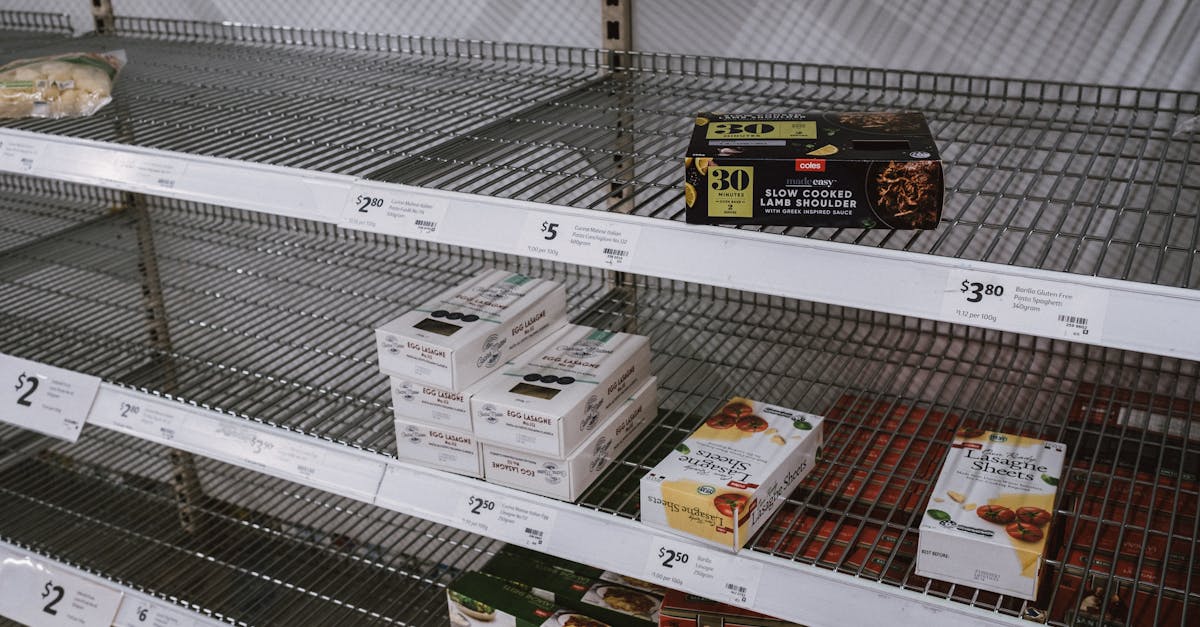
How a distant conflict can raise the price of everyday goods

Global Conflicts & Your Wallet: Price Hikes Explained

A war or political clash occurring far from home can push up the cost of everyday items through a cascading mix of economic and logistical pressures. Today’s supply networks are deeply interconnected, and vital inputs like energy, metals, food, and shipping capacity tend to be concentrated in a few key producing areas. When turmoil interrupts production, trade routes, insurance services, or financial operations in those locations, input costs rise, and producers ultimately transfer those higher expenses to consumers.Primary transmission pathwaysCommodity supply shocks — Conflicts that interrupt exports of oil, gas, wheat, fertilizers, or metals directly reduce global supply and push…
Read More