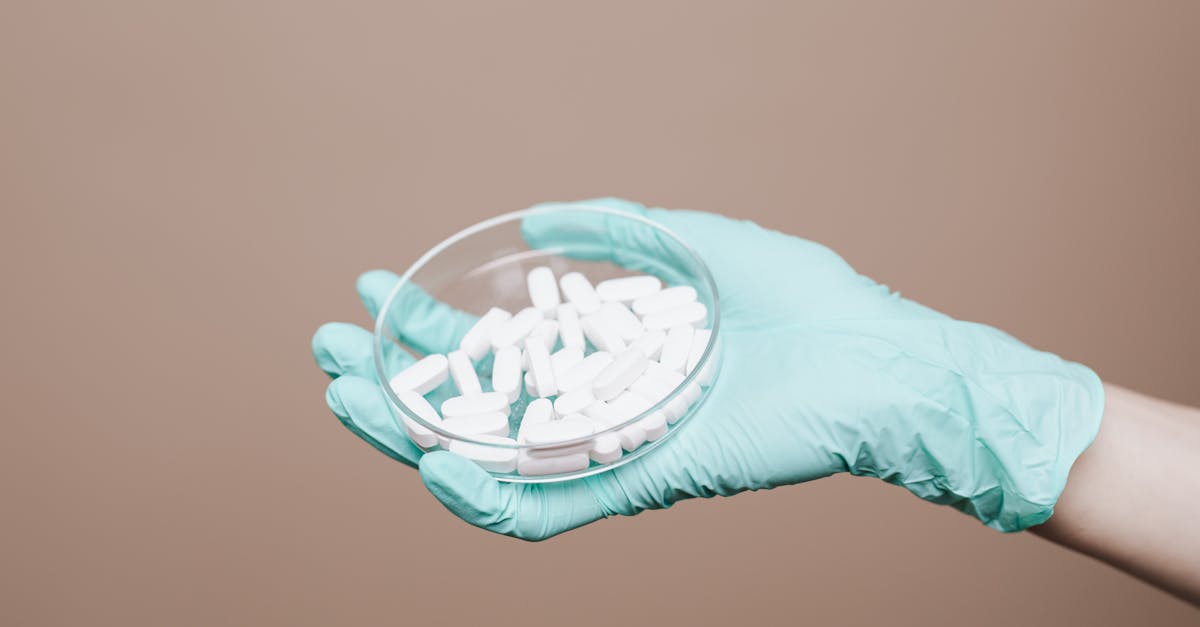
Metabolic changes in the microbiome caused by antibiotic exposure
What antibiotics do to your microbiomeAntibiotics save lives by killing or inhibiting bacteria, but they are rarely selective only for pathogens. They reduce gut microbial diversity, shift relative abundances, and can expand antibiotic-resistance genes. Common consequences include antibiotic-associated diarrhea (AAD), overgrowth of opportunistic pathogens such as Clostridioides difficile, altered immune signaling, and metabolic changes. The magnitude of disruption depends on the antibiotic class, dose, duration, and the individual’s baseline microbiome and health status.How long recovery takesRecovery timelines vary:Short courses (1–7 days) often produce measurable changes within days; diversity and many taxa commonly begin to rebound within weeks.Many studies report partial…