Social Responsibility

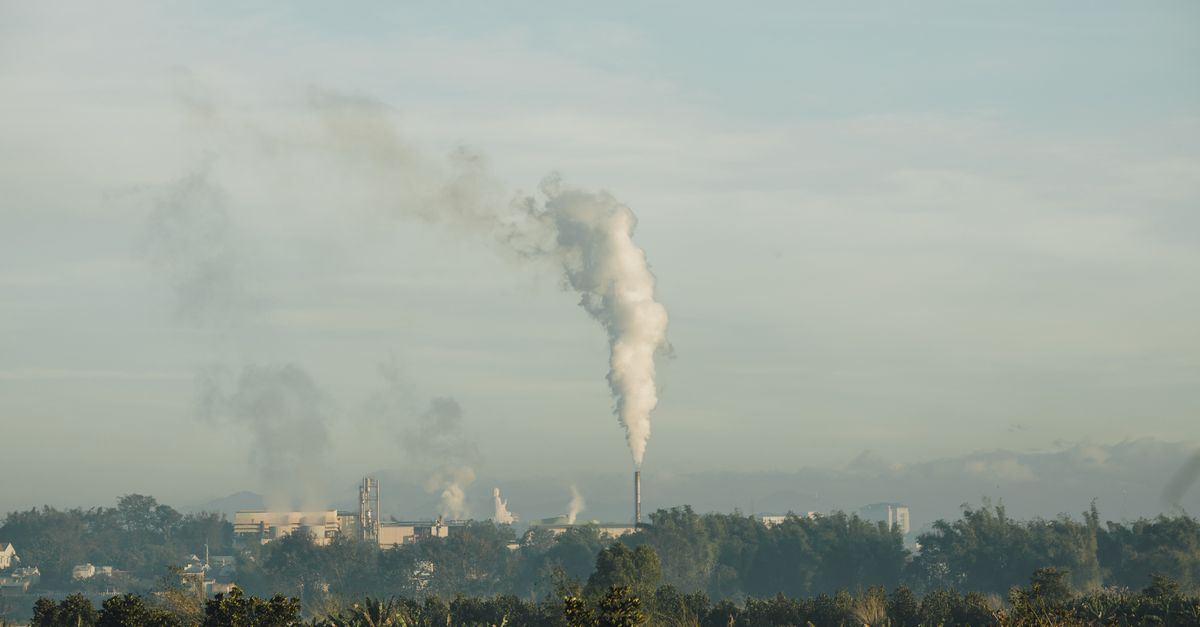
Egypt: industrial CSR improving workplace safety and resource efficiency

How Industrial CSR is Transforming Egypt’s Workplace Safety & Resource Use

Industrial corporate social responsibility (CSR) in Egypt is increasingly understood through two closely connected aims: safeguarding employees and optimizing resource use. As the country advances economic development under national frameworks like Egypt Vision 2030, manufacturers, energy enterprises, construction firms, and industrial parks are translating CSR pledges into tangible safety measures and resource‑efficiency initiatives that cut expenses, lessen environmental harm, and strengthen social well‑being.Why workplace safety and resource efficiency matter for Egyptian industryWorkplace safety has a direct impact on employees, operational efficiency, and overall expenses, as hazardous environments can raise absenteeism, boost insurance costs, and drive higher turnover while putting at…
Read More
Brazil: CSR cases integrating reforestation and responsible supply chains

Sustainable Brazil: CSR, Reforestation, and Responsible Sourcing

Brazil's land-use profile links global supply chains with one of the planet's largest remaining tropical forest stocks. Agricultural expansion, timber production and commodity exports have driven deforestation for decades, while increasing corporate and civil-society pressure has produced a wave of corporate social responsibility (CSR) initiatives that explicitly pair reforestation with responsible sourcing. These initiatives seek to reduce forest loss, restore degraded landscapes and align procurement practices with climate, biodiversity and social goals.Context and driversLand-use pressures: Commodity production for beef, soy, pulp and paper, and sugar broadly drives clearing in Amazon and other Brazilian biomes. Periodic surges in measured forest loss…
Read More
Philippines: CSR strengthening disaster preparedness and neighborhood resilience

Disaster Preparedness & Resilience: The CSR Impact in the Philippines

The Philippines faces a high and growing frequency of natural hazards: tropical cyclones, storm surges, floods, landslides, earthquakes, volcanic eruptions, and sea level rise. On average, about 20 tropical cyclones enter the Philippine Area of Responsibility each year and roughly five make landfall. Recurrent major events—most notably Typhoon Haiyan (2013), which affected millions and produced economic losses in the billions of dollars—have underscored the need for robust disaster risk reduction (DRR) and community resilience. Corporations operating in the Philippines are increasingly integrating corporate social responsibility (CSR) with disaster preparedness and neighborhood resilience efforts, moving beyond one-off relief to invest in…
Read More
Cabo Verde: CSR cases strengthening the blue economy and sustainable coastal jobs

Sustainable Coastal Jobs in Cabo Verde: A CSR Approach

Cabo Verde’s island-based economy has long been tied to the ocean, with limited land, a maritime exclusive economic zone far exceeding its territory, and a tourism-driven development model that place exceptional weight on coastal and marine activities for national income. Corporate social responsibility (CSR) that intentionally aligns corporate initiatives with blue economy priorities can help safeguard marine ecosystems while fostering durable coastal employment. This article presents the economic backdrop, key challenges, CSR frameworks that yield demonstrable results, illustrative case approaches with outcomes and indicative data, and recommendations for expanding resilient coastal job creation.Economic landscape and key strategic relevanceMacroeconomic role: Tourism…
Read More