A renowned filmmaker encounters a dramatic legal collapse after being convicted of masterminding an intricate financial fraud involving millions of dollars meant for a significant streaming production. The case uncovers a tangled web of misappropriated funds, lavish personal expenditures, and a project that never made it to the screen.
The recent conviction of filmmaker Carl Erik Rinsch has drawn intense attention across the entertainment industry, not only because of the magnitude of the financial losses, but also due to the broader implications it may hold for creative partnerships, corporate accountability and the boundaries of artistic autonomy. Rinsch, previously recognized for his work on the fantasy film 47 Ronin, was found guilty on multiple federal charges tied to an alleged scheme that diverted funds meant for a large-scale Netflix production. Prosecutors argued that the director misappropriated the money for personal gain, indulging in a series of extravagant purchases that ultimately raised red flags about the fate of the project he was contracted to complete.
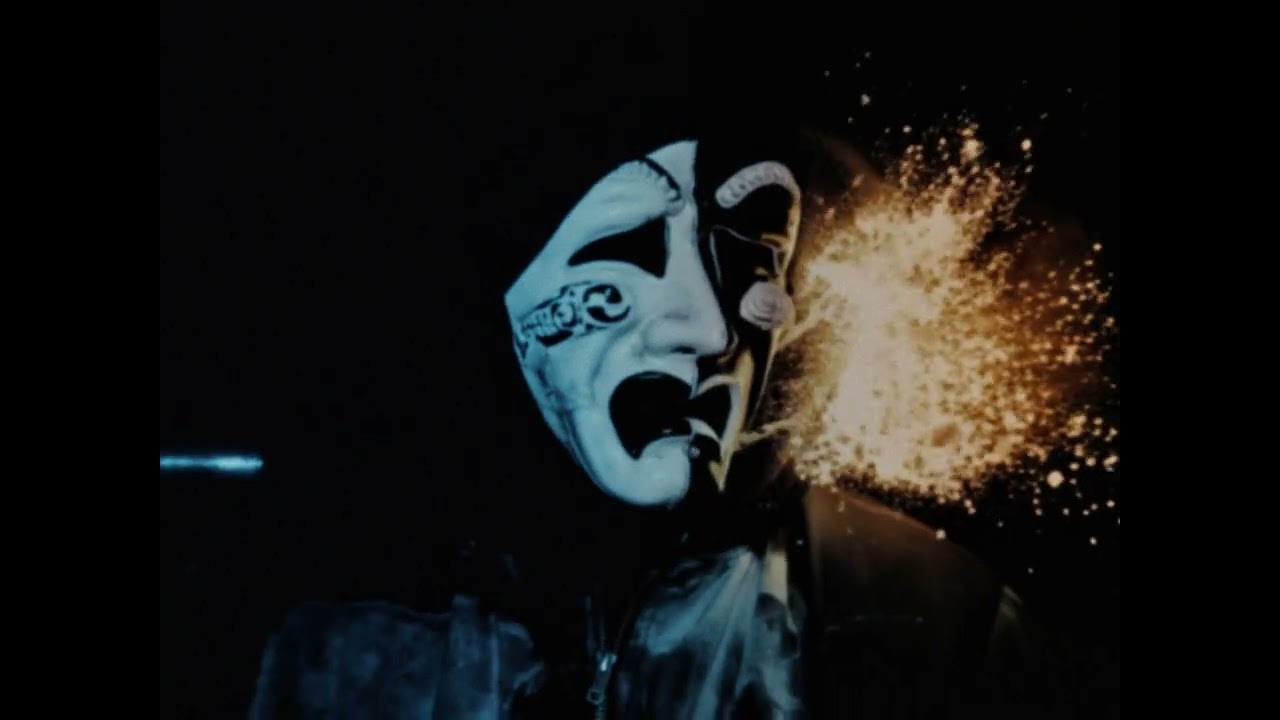
According to court filings, the streaming giant had entrusted Rinsch with an extensive budget to develop a science-fiction series titled White Horse. The production was framed as an ambitious undertaking, one that required high technical investment and significant creative preparation. Instead of delivering progress, however, Rinsch faced accusations that he had drained the allocated funds for private use, effectively abandoning the project while continuing to request additional financial support. When the details emerged publicly, the story quickly transformed into one of Hollywood’s most shocking mismanagement scandals in recent years.
The director’s legal team has vigorously challenged the decision, asserting that the situation sets a concerning precedent for artists whose work entails intricate negotiations, changing creative visions, and evolving production requirements. Despite these objections, federal authorities insisted that the evidence shown in court demonstrated a deliberate attempt to divert production funds for personal use, ultimately leading to severe criminal repercussions.
An endeavor enveloped in unmet assurances
When Netflix approved the multimillion-dollar budget, expectations for White Horse were high. The concept had reportedly been pitched as a visually ambitious science-fiction narrative. To bring the idea to life, Rinsch received an initial sum of more than $40 million—funds that were intended to cover early production phases, including design, effects preparation, and the assembly of a production team.
However, as the months passed, the show failed to materialize. Prosecutors stated that Netflix was repeatedly met with delayed updates, vague explanations and requests for additional funding. When Rinsch claimed he urgently needed further financial support to keep production on track, the company agreed and transferred an additional $11 million.
Investigators later concluded that the money did not reach any production-related expenses. Instead, prosecutors alleged that the director had transferred the funds into personal accounts, where they were quickly used for speculative investments and luxury purchases. This shift in spending, paired with the absence of visible progress on White Horse, formed a pivotal component of the government’s case.
The court filings describe a sequence of choices that swiftly drained the production budget. Initial investments allegedly included high-risk trading, which prosecutors claim led to the swift loss of almost half the additional funding. The leftover sum was subsequently used to purchase cryptocurrency—an investment that did generate some profit. However, instead of reinvesting those funds into the series, the money was transferred into Rinsch’s bank account and later spent on personal items with price tags that astonished investigators.
Signs of lavish personal expenditure
Federal prosecutors have outlined the scope of Rinsch’s purported misappropriation of funds, providing evidence of extravagant expenditures that are unrelated to any valid production expenses. It is reported that the director purchased several high-end vehicles, such as a fleet of Rolls-Royces and a Ferrari—automobiles whose total worth instantly aroused suspicion.
Beyond automobiles, substantial spending on luxury items like watches, designer clothing, and home furnishings was identified by investigators. Among the most remarkable acquisitions were two mattresses, each priced at over half a million dollars, along with nearly $300,000 in luxury linens and bedding. It was also reported by authorities that part of the money was used to pay off considerable credit card debt, further supporting the assertion that the funds were utilized for personal gain rather than for show development.
The scope of spending became central to the prosecution’s argument, serving as evidence of a clear deviation from contractual obligations. With no trace of actual progress on the promised science-fiction series, the financial trail painted a picture of a project abandoned nearly as soon as it began.
The legal fallout and industry reaction
The jury’s decision resulted in a conviction on multiple counts, including wire fraud and money laundering—charges that carry potentially severe penalties. Rinsch now awaits sentencing, scheduled for April, where the court will determine the extent of punishment based on federal guidelines and the financial impact of the crimes.
His defense has contended that the case reduces the intricate nature of creative financing and the unpredictable aspects of film production to an oversimplification. Attorney Benjamin Zeman highlighted that disagreements between creators and financiers are not rare, implying that turning such disputes into criminal matters might establish a dangerous precedent. He portrayed the issue as a failure in communication and expectations rather than an intentional act of deception.
However, prosecutors countered that the evidence showed a pattern of intentional misrepresentation. The absence of tangible development on White Horse, combined with the highly personal nature of the expenditures, was presented as proof that the director had knowingly diverted production money for unauthorized use.
Inside Hollywood, responses have varied from surprise to worry. Numerous industry experts have voiced unease regarding the possible impacts on creative liberty, while others have emphasized the necessity of tighter supervision in big-budget projects. The situation has also sparked a wider dialogue about responsibility within the streaming sector, which has swiftly increased its investment in original productions over the last ten years.
Creative aspirations eclipsed by controversy
Before the scandal, Rinsch was seen as a filmmaker known for his unique visual style and his reputation for creating ambitious ideas. His initial commercial work and directorial efforts had established him as someone able to handle large-scale projects. However, the aftermath of the White Horse debacle has overshadowed his career, leading to questions about future opportunities and trust within the industry.
The episode also illuminates the challenges faced by streaming platforms as they navigate partnerships with high-profile creatives. With the rise of exclusive content deals and unprecedented budgets, the need for meticulous oversight becomes increasingly significant. This case underscores how even established companies can encounter substantial risk when production funds are entrusted to individuals without adequate safeguards.
A warning story for the showbiz sector
The conviction represents a significant milestone in a case that has captured public attention, not just because of the extent of financial mismanagement but also due to the broader questions it poses about creative responsibility. For Netflix, the losses act as a vivid reminder of the complexities involved in managing ambitious original productions. For filmmakers, the situation highlights the importance of transparency, accountability, and adherence to contractual obligations—elements crucial for maintaining trust in an industry founded on collaborative development.
As the date for sentencing nears, legal experts foresee ongoing discussions regarding the case’s implications. Some suggest that the verdict might lead production companies to implement even more stringent contractual measures, while others express concern that the decision could unintentionally hinder creative risk-taking. No matter the result, the saga of White Horse serves as a compelling illustration of what happens when artistic ambition, financial oversight, and personal choices intersect.
At present, Netflix has declined to issue a detailed public comment, emphasizing instead that the case is now in the hands of federal authorities. Meanwhile, the entertainment world watches closely as one of its own faces the consequences of a scandal that has reshaped conversations about responsibility and ethics in high-budget storytelling.