

Wall Street faltered early in the week as fresh trade frictions and rising unease over artificial intelligence rattled investors. Stocks fell across the board, while traditional safe havens advanced amid mounting volatility.
Financial markets began the week on edge, as a blend of policy ambiguity and industry‑focused concerns unsettled traders across leading exchanges, with fresh tariff proposals from President Donald Trump and ongoing doubts about the long‑term influence of artificial intelligence dragging sentiment, driving stocks downward, and boosting interest in safer assets.
The Dow Jones Industrial Average registered a sharp decline, shedding more than 800 points and marking its steepest one-day drop in roughly a month. The broader S&P 500 also retreated, with a majority of its components finishing in negative territory. The technology-focused Nasdaq Composite followed suit, extending recent losses and reinforcing concerns that high-growth sectors remain vulnerable to shifting narratives around innovation and regulation.
Trade policy returns to center stage
Investor unease deepened as events in Washington reignited discussions about the direction of US trade policy, with tensions growing shortly after the Supreme Court struck down tariffs imposed under emergency authority. In response, President Trump conveyed that he planned to pursue a fresh series of import duties via different legal pathways, hinting over the weekend that the proposed rate could climb to 15%, surpassing the earlier 10% outline.
For markets, the issue is not solely the tariff level itself but the unpredictability of implementation. Businesses must assess supply chains, pricing strategies and profit margins in an environment where trade rules appear subject to rapid revision. Analysts note that such uncertainty complicates earnings forecasts and dampens corporate investment plans.
The renewed emphasis on tariffs has likewise sparked uncertainty over possible refunds connected to earlier actions, raising doubts about whether companies might receive any form of compensation and adding further opacity to the situation. Amid this backdrop, volatility gauges surged. The CBOE Volatility Index, widely known as the VIX, jumped markedly and moved past the 20-point threshold, a mark typically linked to elevated market unrest.
Market strategists indicate that trade-related headlines will probably persist as a frequent topic through the rest of the year. Although the early jolt from previous tariff announcements is unlikely to resurface with comparable force, the continual tension between legal decisions and executive initiatives keeps weighing on risk sentiment.
Technology stocks and the AI overhang
Alongside trade concerns, investors are grappling with questions about artificial intelligence and its economic implications. The Nasdaq, which reached record levels in late October, has since retreated noticeably, reflecting both profit-taking and deeper structural anxieties.
Recent commentary from research analysts has examined theoretical situations where swift progress in AI might upend long-standing business models, and although these ideas remain speculative, they have shaped short-term market movements. Firms referenced in these reports saw significant sell-offs as investors reconsidered their risk exposure.
Shares of American Express recorded one of their worst daily performances in months, while DoorDash and private equity firm KKR also suffered substantial losses. Technology giant IBM faced even steeper declines after a blog post by AI startup Anthropic outlined how its Claude system could facilitate the modernization of legacy programming languages such as COBOL. The suggestion that AI tools might significantly reduce the cost of updating longstanding enterprise systems sparked questions about the competitive landscape for traditional service providers.
These developments highlight a growing strain across the market landscape, where artificial intelligence is widely regarded as a transformative catalyst expected to boost efficiency and unlock fresh revenue opportunities, yet simultaneously presents a disruptive threat to established players dependent on traditional technological structures. This unresolved interplay between promise and peril continues to fuel turbulence within tech‑centric indices.
Flight to safety and shifting asset flows
As equities declined, investors rotated into assets traditionally perceived as more stable during periods of uncertainty. Gold prices climbed sharply, advancing more than 3% and surpassing $5,200 per troy ounce. The metal’s rally reflects its enduring status as a hedge against geopolitical tension, inflation fears and financial market stress.
Government bonds also attracted buyers, pushing Treasury yields lower. When bond prices rise, yields move inversely, signaling increased demand for fixed-income securities. The slight weakening of the US dollar against major currencies further illustrated shifting capital flows as traders adjusted portfolios in response to emerging risks.
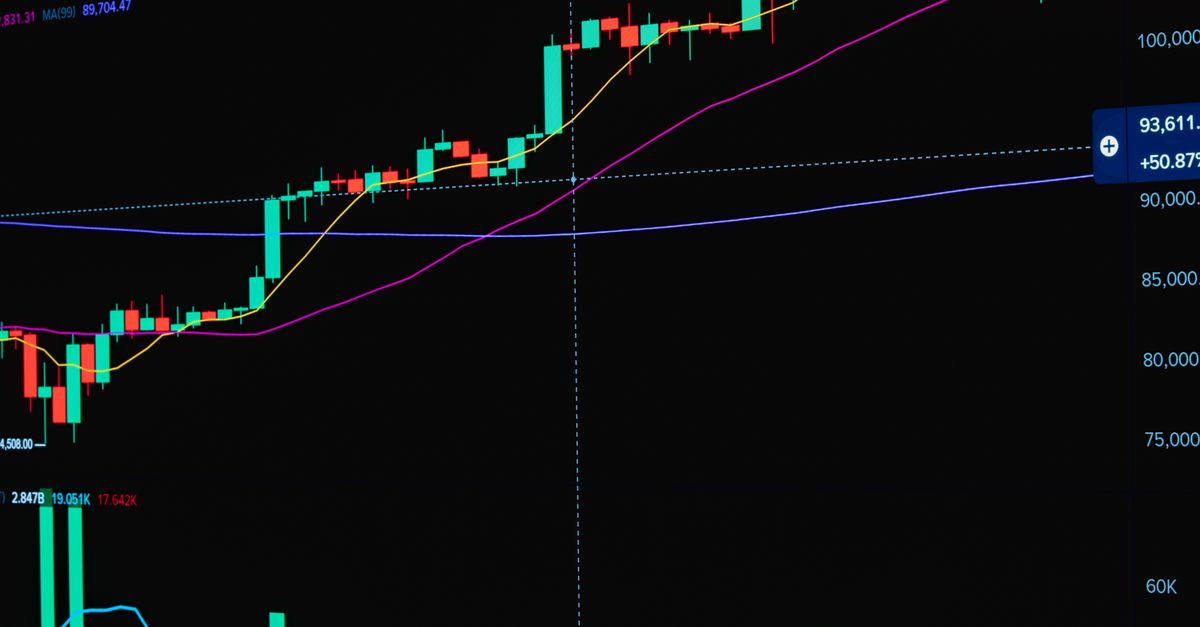
Cryptocurrencies did not escape the broader risk-off mood. Bitcoin declined by more than 4% over a 24-hour period, hovering well below its previous record highs. Despite earlier optimism about digital assets, the cryptocurrency market has struggled to regain upward momentum this year, remaining significantly below peak valuations reached in early October.
Market sentiment indicators presented a guarded outlook, as gauges of investor psychology signaled rising unease, with caution outweighing enthusiasm. These levels typically emerge during phases when traders focus more on protecting capital than pursuing bold strategies.
Broader macroeconomic crosscurrents
Beyond tariffs and AI, additional factors contributed to the day’s subdued performance. Concerns about the stability of private credit markets have resurfaced, prompting scrutiny of leveraged lending and exposure to higher interest rates. At the same time, geopolitical tensions involving the United States and Iran have injected another element of uncertainty into global markets.
When several risk factors intersect, even minor shifts can significantly sway trading behavior. Market participants are required to balance domestic policy adjustments with global conditions, evolving corporate earnings patterns and rapid technological advances. This interplay of elements helps clarify why volatility has escalated even as other segments of economic data remain comparatively steady.
Analysts emphasize that markets often react not only to concrete policy changes but also to the perceived trajectory of future decisions. In the case of tariffs, investors are attempting to gauge whether proposed increases represent a temporary negotiating tactic or a more durable shift in trade policy. The absence of clear guidance amplifies speculation and short-term swings.
Similarly, the discourse around artificial intelligence is evolving rapidly. While many companies are investing heavily in AI integration, the timeline for measurable returns remains uncertain. Some firms may benefit from efficiency gains, while others could face margin pressure if automation alters competitive dynamics. These open questions make it difficult to assign consistent valuations across sectors.
Investor sentiment during times of uncertainty
Periods marked by policy unpredictability and technological transformation often produce heightened sensitivity to headlines. In such environments, trading volumes can increase as market participants adjust positions in response to new information. Short-term fluctuations may not always reflect long-term fundamentals but rather shifts in perception.
Behavioral finance research indicates that fear often outweighs optimism in shaping decisions, and heightened volatility combined with gains in safe-haven assets typically signals that investors are moving to guard against potential losses. The latest shifts in gold, bonds and equities reflect this dynamic.
At the same time, market pullbacks can act as moments of recalibration, as valuations that once seemed inflated during upbeat cycles may be reconsidered under more cautious perspectives, and for long-term investors these periods can bring both hurdles and potential openings, shaped by individual risk tolerance and overall strategy.
The interaction among fiscal policy, court decisions and executive power makes predictions even harder, as disputes over tariff authority underscore the US system’s checks and balances while adding procedural unpredictability, leaving businesses and investors to steer through this shifting structure as they strive to preserve operational steadiness.
Outlook for the months ahead
Looking ahead, market participants will probably track several crucial signals. To begin with, gaining clarity on how the proposed tariffs will be applied and what their scope includes will be essential. Specific schedules and well-defined instructions could lessen uncertainty and help steady expectations, while additional adjustments or legal challenges could extend periods of instability.
Second, earnings reports from major technology firms will provide insight into how AI investments are translating into financial performance. Evidence of tangible productivity improvements could restore confidence, while disappointing results might reinforce caution.
Third, macroeconomic data — spanning inflation, labor trends, and consumer activity — will continue to influence expectations surrounding monetary policy, and while the latest market pullback stemmed mainly from trade and technology issues, the broader economic backdrop still plays a crucial role in determining asset valuations.
For now, the combination of renewed tariff rhetoric and ongoing AI disruption narratives has created a challenging backdrop for equities. Gold’s ascent and the drop in Treasury yields reflect a defensive posture among investors, while declines in major indices underscore the fragility of sentiment.
Financial markets are inherently forward-looking, and much depends on how policymakers, corporations and global actors respond in the coming weeks. Until clearer signals emerge, volatility is likely to remain elevated, with investors balancing optimism about innovation against caution regarding policy shifts.
The recent session serves as a reminder that markets rarely move in isolation from broader political and technological developments. Trade decisions, legal interpretations and advancements in artificial intelligence are interconnected forces shaping the economic landscape. As these themes continue to evolve, investors will remain attentive to both risks and opportunities in an environment defined by rapid change and persistent uncertainty.



.jpg "Benefits of choosing Panama for your offshore company setup")
.jpg "Legal solutions for US and Canadian retirees applying for Panama pensionado visa in 2026")
