

What exactly is a Lookbook?
A lookbook, in essence, serves as a curated collection of photographs designed to promote a designer’s latest collection or a brand’s visual style. Originating in the fashion industry, lookbooks have become a potent tool for showcasing a brand’s aesthetic and fostering a connection with audiences seeking visual inspiration. Over the years, the concept has expanded beyond fashion, finding significant application in industries such as architecture, interior design, and cosmetics.
The Role of a Lookbook in Fashion
In the attire industry, a lookbook serves as an essential promotional resource. It enables creators to showcase their seasonal lines in an innovative and engaging way. These selections are carefully crafted to emphasize the form, hue, and material of each item, creating a comprehensive story that captures the atmosphere and concept of the brand’s newest releases. Clothing brands and retail companies frequently share these lookbooks with purchasers, media representatives, and prospective clients to spark curiosity and excitement.
As an instance, think about the fall/winter lookbook from an upscale fashion label. This selection may highlight natural shades, opulent fabrics, and warm, elegant styling. The photos are probably taken in a setting that enhances the themes of the clothing, like an old bookstore or a verdant forest, deepening the emotional bond of the viewer with the collection.
Expanding Beyond Fashion
Though originating in the fashion world, the idea of a lookbook has expanded to various fields. In home decorating, lookbooks illustrate design ideas, demonstrating how various items from a line work together within an area. Pottery Barn, for instance, regularly releases lookbooks for different seasons, encouraging clients to picture the newest furnishings and decorations in their residences. By featuring fully decorated rooms and styled settings, these lookbooks offer a guide for prospective customers to picture an elegant and cohesive space.
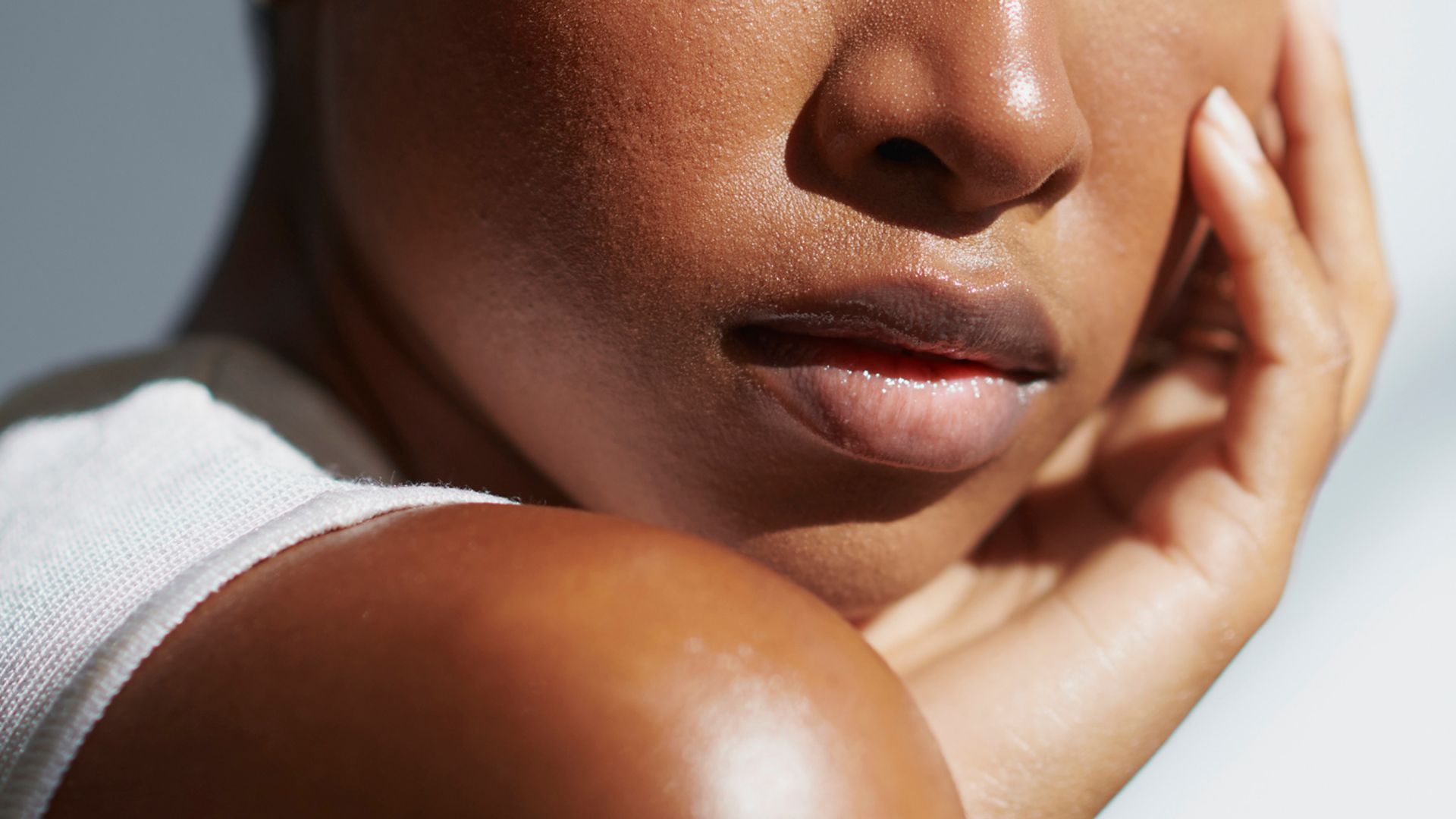
The cosmetics industry also employs lookbooks to highlight new product lines and makeup looks. Here, lookbooks tend to focus on the application and versatility of products, demonstrating a range of styles from daytime casual to evening glam. A makeup brand, for instance, might release a lookbook illustrating the transformation possible with its new line of summer palette eyeshadows and lip colors, creating aspirational looks that pique consumer interest.
Creating a Lookbook: Essential Elements
To craft an effective lookbook, several elements require careful consideration. Photography is paramount; images must be visually striking and aligned with the brand’s ethos. Models or settings should convey the intended story or lifestyle the brand aspires to project.
Styling is not limited to apparel but extends to every visible element in the photo—props, backgrounds, colors, and lighting. Styling should form a cohesive narrative that supports the collection’s theme while attracting the target market.
Layout and design are equally critical. A cluttered or confusing layout can diminish the impact of the imagery and obscure the collection’s message. Effective lookbooks employ a sophisticated arrangement, guiding the viewer’s eyes seamlessly through pages and sustaining their interest.
Case Study: Burberry’s Digital Lookbook
To understand the evolution and impact of lookbooks, consider Burberry’s digital lookbooks, which break traditional print limitations by integrating multimedia elements such as videos and interactive features. Their Spring/Summer lookbook might include short runway clips and music that encapsulates the essence of the collection, offering viewers an immersive experience. This digital format allows for greater accessibility and shareability across social platforms, amplifying their reach beyond conventional audiences.
Reflecting on the various dimensions and applications of lookbooks illustrates their sustained relevance as a potent visual storytelling tool. Whether through printed pages or digital interfaces, lookbooks remain a bridge connecting brands to their audiences by artfully showcasing products, articulating brand identity, and stirring the imagination of their viewers.




.jpg "Harley Weir Wore a Corseted Dilara Findikoglu Dress for Her Ireland Wedding to John Kelleher")