The transportation sector, a fundamental part of international logistics and supply networks, is experiencing significant changes. Advances in automation, artificial intelligence, environmentally-friendly energy projects, and cutting-edge telematics are all changing the way transport operates on roads and within urban areas. Nonetheless, this transformation comes with its own set of obstacles. While new developments offer potential for greater productivity and reduced expenses, they also raise issues regarding employment stability, adjustments to regulations, and the reality of carrying them out.
Many professionals in the field feel torn between the appeal of modern operations and the challenges of implementing them practically. As businesses, drivers, and regulators strive to find their way through this unpredictable area, the connection between the trucking industry and technological advancements stays optimistic yet careful.
In recent years, digital transformation has touched virtually every sector, and trucking is no exception. Fleets are investing in everything from automated dispatch software and GPS tracking to predictive maintenance tools and real-time data analytics. These technologies are designed to improve route efficiency, minimize downtime, and provide insights that enable smarter decision-making.
Yet for all the benefits, adoption is not universal. Smaller operators, which make up a significant portion of the industry, often lack the financial resources or technical infrastructure to keep up. The up-front costs of tech upgrades, coupled with ongoing maintenance and training, pose barriers that can slow the pace of adoption.
Many fleet supervisors take on innovation step-by-step, weighing the need to modernize against the challenges of slim profits, a lack of drivers, and varying fuel expenses. This cautious strategy mirrors a wider reluctance in the industry to completely embrace transformation without solid evidence of success.
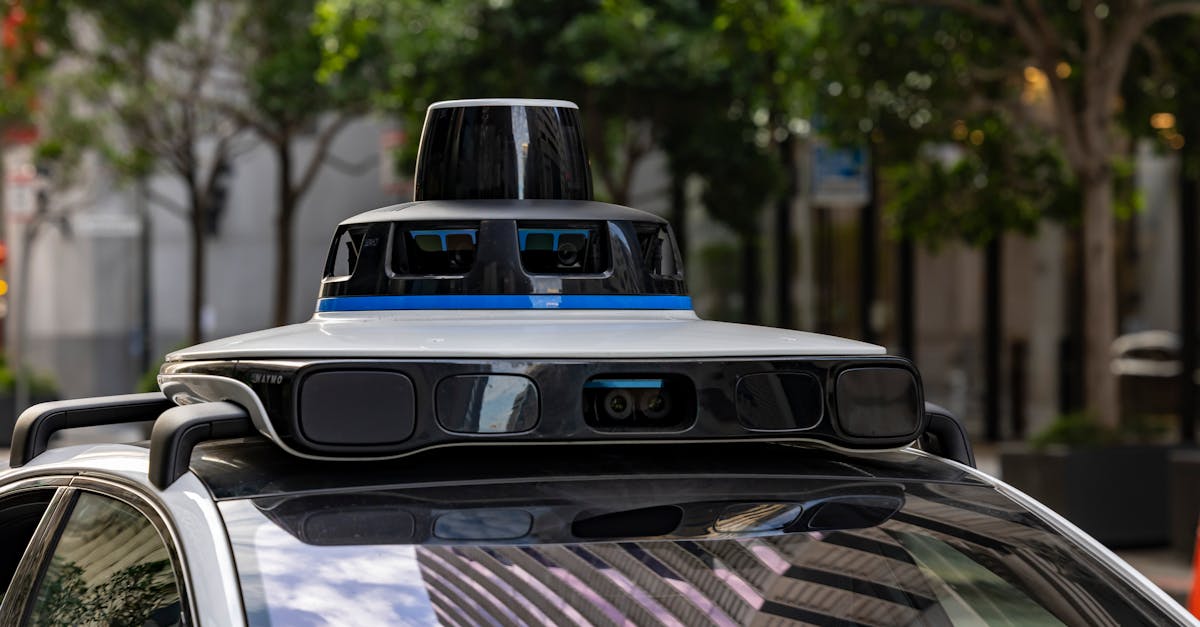
One of the most debated developments in the trucking sector is autonomous vehicle technology. While self-driving trucks are still largely in the testing phase, their potential impact looms large. Advocates suggest that autonomous vehicles could revolutionize long-haul trucking by reducing labor costs, cutting down on human error, and allowing for around-the-clock transport without the need for rest breaks.
However, these promises are met with legitimate concerns—especially among drivers. With millions of people employed in trucking across North America and beyond, the idea of widespread automation raises fears of job displacement. While many experts predict that human drivers will remain critical for complex urban routes and last-mile delivery, there is uncertainty about how their roles might evolve in a more automated future.
Industry experts are considering the regulatory and moral aspects of this technology. Issues related to responsibility in accidents, system breakdowns, and safety regulations remain unanswered. Until these challenges are tackled with unified policies and practical testing, autonomous trucks will probably function alongside conventional vehicles, instead of completely replacing them.
Environmental pressures are also pushing the trucking industry toward cleaner operations. Electric trucks are gaining traction as a solution to reducing greenhouse gas emissions and meeting stricter environmental regulations. Major manufacturers have launched electric models aimed at short-haul urban routes, and several large fleets are beginning pilot programs.
Though there is enthusiasm, substantial challenges are present. The charging network for large vehicles is not yet fully developed, and the limitations in the range of existing battery technology create issues for long-distance transportation. Furthermore, electric trucks are presently more expensive than conventional diesel versions, making it financially challenging for numerous transport companies to make the switch.
Government incentives and corporate sustainability commitments are helping to drive early adoption, but a full-scale shift will require coordinated efforts across the public and private sectors. The industry’s experience with alternative fuels like compressed natural gas (CNG) and hydrogen also offers a glimpse into the long and often winding road toward cleaner transport.
Telematics systems have become central to fleet management. By collecting and analyzing data from vehicles in real time, these systems provide insights into driver behavior, fuel consumption, engine performance, and more. With such information, companies can optimize operations, reduce costs, and enhance safety.
Nonetheless, this increase in connectivity introduces a range of challenges. Handling large amounts of data necessitates strong IT infrastructure, competent staff, and rigorous cybersecurity protocols. Smaller fleets, especially, might find it difficult to derive significant benefits from their telematics systems without specialized assistance.
Privacy concerns are starting to be recognized as a significant challenge. Drivers might perceive that being continuously observed diminishes their independence and trust. Finding a balance between openness and respecting personal privacy is turning into an essential factor in responsibly deploying these technologies.
As technology progresses more quickly than laws can be enacted, the trucking sector faces challenges within an undefined legislative space. Lawmakers strive to keep pace, but differing regulations between states, provinces, and nations make it difficult to implement new systems effectively. Whether establishing criteria for self-driving vehicles, determining emissions goals for electric trucks, or managing driver data usage, legal structures need to develop concurrently with technological advances.
Industry organizations and advocacy bodies are urging for more defined regulations, simplified procedures, and financial support initiatives to aid in updates. They argue that, in absence of these measures, advancements are likely to be disjointed and not as swift as required.
Another crucial piece of the puzzle is workforce development. As technology becomes more embedded in daily operations, drivers and support staff need to acquire new skills. From using advanced navigation systems to performing diagnostics on electric drivetrains, the modern trucker’s job is more high-tech than ever before.
Training initiatives, whether within the organization or from external sources, are being crafted to address these evolving needs. Nonetheless, continuous learning necessitates time, resources, and dedication—elements that may be challenging to synchronize during times of economic instability.
Fostering a culture of continuous learning will be essential as the industry transitions to a more digital and sustainable model. Those who can bridge the gap between traditional knowledge and modern technology will likely lead the sector into the future.
The future route for the trucking sector doesn’t involve selecting merely between traditional and modern approaches—it revolves around achieving equilibrium. Merging technology within this extensive and intricate system necessitates cooperation among participants: companies, regulators, drivers, developers, and the public.
Innovation offers incredible opportunities, from improved safety and efficiency to environmental stewardship and smarter logistics. But these benefits will only materialize if the implementation is thoughtful, inclusive, and responsive to the needs of everyone involved.
As the trucking industry faces ongoing challenges and opportunities, the emphasis should be on creating a future that merges the strengths of human experience with the advantages of contemporary technology. By taking intentional actions and aligning objectives, the sector can progress without sacrificing its greatest resource: the individuals who drive it forward.