Rising temperatures, shifting disease patterns and massive population displacement are placing unprecedented strain on health systems worldwide. At the same time, a critical shortage of trained personnel threatens the capacity of countries to respond effectively.
As global warming intensifies population shifts and exacerbates existing vulnerabilities, nations worldwide—especially those with low and middle incomes—are confronting a complex array of both familiar and emerging health crises. While infectious diseases persist as a significant concern, noncommunicable diseases (NCDs), along with mental health issues and injuries, are increasingly becoming primary drivers of illness and premature mortality. Addressing these interconnected problems necessitates inventive solutions, intersectoral cooperation, and sustained investments in prevention, treatment, and human capital.
The evolving panorama of worldwide health challenges
Many emerging countries are currently grappling with what specialists refer to as a “double challenge” in health. They are tasked with sustaining their long-standing endeavors to manage contagious diseases, enhance hygiene, and address epidemics. Simultaneously, swift shifts in societal and environmental factors are fueling an increase in non-communicable diseases (NCDs) like diabetes, high blood pressure, heart ailments, and various cancers. These persistent health issues frequently manifest without immediate symptoms and worsen over time, potentially incapacitating individuals or elevating their risk of premature death.
Although non-communicable diseases (NCDs) were previously considered an issue mainly impacting the elderly, global data reveals a different reality. Millions succumb to these illnesses prior to their 70th birthday, with over 85% of early NCD fatalities concentrated in nations with low and middle incomes. The World Health Organization (WHO) has pinpointed several critical behavioral risks—such as smoking, detrimental alcohol consumption, poor dietary habits, excessive sodium intake, and a lack of physical activity—that exacerbate this escalating problem. Tobacco use alone accounts for over seven million deaths annually, and inadequate physical activity contributes to millions more.
To curb this escalating health crisis, a multifaceted approach is essential, encompassing not just shifts in individual habits but also widespread initiatives like comprehensive screening, prompt diagnosis, and enhanced availability of therapies. Numerous medical interventions, including fundamental treatments for high blood pressure and diabetes, prove economically viable when administered via foundational healthcare networks. A number of nations have already initiated efforts. For instance, in Kenya, programs aimed at road safety and measures to prevent violence were introduced due to a surge in injuries and dangers linked to non-communicable diseases, indicating a significant move towards tackling persistent health challenges.
Local Programs and the Impact of Early Detection
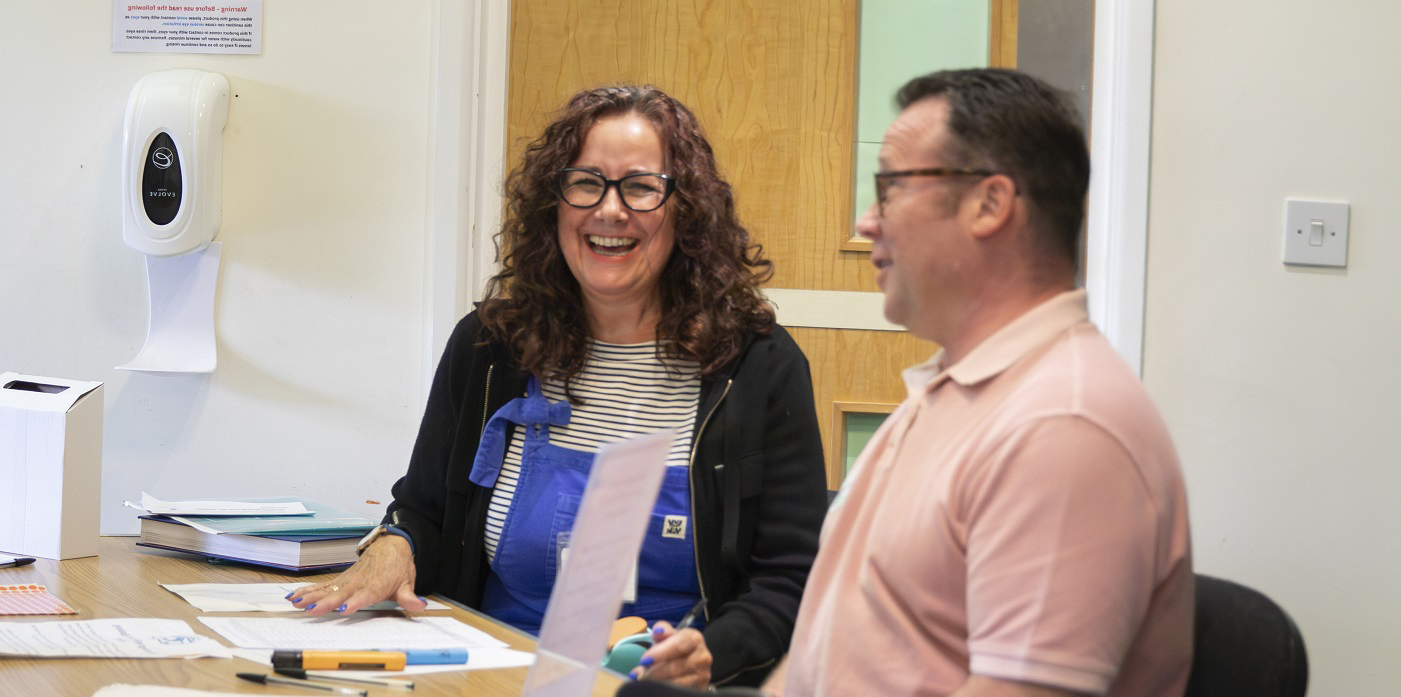
A decade ago, a collaborative effort between Kenyan nursing schools and a university in the United States launched the Afya Njema project near Nairobi. Nursing students from both countries worked side by side to screen thousands of community members for common chronic conditions such as high blood pressure, elevated blood sugar and chronic joint pain. Participants received counseling on lifestyle changes and were encouraged to follow up with local clinics.
The initiative proved successful enough that one participating Kenyan nursing college, P.C.E.A. Tumutumu in Nyeri County, continued offering periodic screenings independently. These outreach efforts have since expanded to include HIV testing and nutritional support for young children, including deworming and vitamin A supplementation. Despite the popularity of such programs, patients from rural areas often face financial and logistical barriers to managing chronic illnesses. Many lack health insurance, refrigeration for insulin or consistent access to government-provided medications, which are not always reliably stocked.
Amidst these limitations, cell phones have proven to be an unexpectedly potent instrument. Acknowledging the promise of digital outreach in environments with limited resources, the WHO collaborated with the International Telecommunication Union to create Be He@lthy, Be Mobile—an initiative crafted to convey health data directly to individuals’ mobile devices. Senegal was the inaugural nation to embrace the program’s diabetes care component, mDiabetes, specifically to assist people in safely observing fasting during Ramadan. Gradually, the program evolved into a yearly offering engaging over 100,000 participants. Comparable projects subsequently commenced in India and Egypt, collectively aiding hundreds of thousands of individuals.
Addressing the silent burden of mental health
Mental, neurological and substance use disorders impose a significant burden across every region of the world. Despite accounting for an estimated 14% of the global disease load, the vast majority of affected individuals receive no treatment—especially in low-income countries where scarcity of trained professionals and persistent stigma limit access to care.
To help close this gap, WHO developed the Mental Health Gap Action Program (mhGAP), which equips primary care providers with the tools and training to diagnose and manage conditions such as depression, schizophrenia and epilepsy. The program emphasizes that even in resource-limited settings, millions of people could achieve recovery with proper medication, counseling and community support.
The work of Jan Swasthya Sahyog in central India demonstrates how locally grounded approaches can make a difference. Serving tribal communities in Chhattisgarh, the organization trains community health workers to identify mental health needs and encourage evidence-based treatment. Many villagers initially attribute symptoms of mental illness to spiritual causes or supernatural influences. Health workers like Manju Thakur play a critical role in sensitively guiding patients toward medical care while respecting cultural contexts. Their persistent outreach—home visits, group meetings and shared stories of recovery—helps build trust and acceptance in communities long underserved by conventional healthcare systems.
Population displacement, climate shifts, and vulnerable healthcare infrastructures
The phenomenon of human displacement has escalated to unparalleled heights, with over 70 million individuals compelled to abandon their residences as a result of armed conflicts, brutality, oppression, and, with growing frequency, ecological catastrophes. As the effects of climate change exacerbate periods of drought, inundations, and severe weather events, the population displaced due to environmental factors now exceeds those escaping conflict in certain geographical areas, based on projections from the Red Cross.
The United Nations Refugee Agency (UNHCR) coordinates global efforts to protect and support displaced populations. Its work ranges from providing shelter and healthcare to developing emergency preparedness plans. These responsibilities are particularly difficult in countries already facing limited resources and social instability.
A striking illustration emerges from Colombia, where elderly residents of a community care facility welcomed Venezuelan families escaping dire circumstances. What started as communal dining progressively transformed into a profound human connection: older Colombians found renewed meaning by assisting the new arrivals, while young Venezuelans contributed to the care of their hosts. Such instances underscore the compassion and flexibility demanded from communities accommodating displaced individuals—a growing phenomenon as ecological and political pressures intensify.
Innovation, technological advancements, and the demand for fitting solutions
As global understanding of health issues expands, the effective implementation of appropriate solutions continues to be a challenge. Sophisticated technological devices introduced into remote regions frequently malfunction due to a lack of maintenance support. For example, cutting-edge laboratory instruments can become inoperable if replacement components are hard to find or if local personnel are not adequately skilled. Consequently, pragmatic advancements specifically developed for settings with limited resources offer more potential than technologies originally conceived for affluent nations.
One such example is the development of an inhalable measles vaccine, which requires no refrigeration and is easier to distribute in hot climates and remote regions. Yet even innovations like this face hurdles: manufacturers may hesitate to invest in production if profit margins appear small compared with existing products, such as injectable vaccines.
The global healthcare workforce crisis
Perhaps the most urgent challenge confronting health systems is the worldwide shortage of healthcare workers. WHO projects a deficit of 18 million health professionals by 2030, a shortfall that will disproportionately affect low-income nations. In some countries, reliance on foreign-trained workers has become the norm—Uganda’s healthcare workforce is nearly 40% foreign-trained, while South Africa draws many professionals from the United Kingdom. Meanwhile, other nations experience a continuous “brain drain,” losing locally trained staff to better-resourced health systems abroad.
Strengthening community health worker programs has emerged as one of the most effective strategies to address workforce gaps. These volunteers or semi-professional workers often live within the communities they serve and provide essential services such as maternal care, vaccination support and patient follow-up. WHO emphasizes that their role should complement—not replace—that of trained professionals. Proper training, supervision and compensation remain key to maximizing their impact.
Organizations like Last Mile Health have advanced this objective by creating complimentary digital educational modules for both community health professionals and decision-makers. Their endeavors present real-world examples from nations such as Rwanda, Ethiopia, Brazil, and Bangladesh, illustrating how robustly supported community health frameworks can revolutionize access to fundamental healthcare.
Novel Technologies and Business Ventures
Health innovations tailored for environments with limited resources are steadily increasing. Last Mile Health provides community health workers with mobile instruments for patient enrollment, sending referrals, and aiding clinical choices. Concurrently, the potential of drones in healthcare provision keeps generating enthusiasm, despite their present functionalities being largely confined to minor operations like aerial surveying or transporting light goods.
Entrepreneurial initiatives are also helping accelerate innovation. MIT’s Solve program supports inventors addressing urgent global health needs, providing funding and specialized guidance. One notable project developed a resilient silicone band that monitors vital signs in newborns—an affordable, durable solution suitable for rural clinics. The Bill & Melinda Gates Foundation also contributes by funding research that targets critical global health obstacles identified by experts in the field, fostering pathways for scientific breakthroughs that might otherwise go unrealized.
Cultivating future adaptability
The intricate, interwoven, and ever-changing nature of global health issues presents a formidable challenge. Factors such as Climate change, population dynamics, technological constraints, and a scarcity of skilled labor all converge, generating pressures that no individual entity can resolve in isolation. Addressing these hurdles demands unwavering dedication, creative solutions, and joint efforts from governments, local communities, and global collaborators.
Progress depends on learning from past failures—such as misusing antibiotics or missing vaccination opportunities—and prioritizing interventions that are effective, accessible and culturally appropriate. It also requires investment in people: training healthcare workers, supporting communities, and empowering individuals to manage their own health through tools ranging from mobile messaging to community education.
As the world continues to navigate an era defined by uncertainty and rapid change, strengthening global health systems remains essential not only for preventing disease but for ensuring dignity, security and well-being for populations everywhere.