Understanding the Role of Color in Fashion: An In-Depth Examination
The world of fashion brims with vivid shades and captivating patterns, where color becomes a fundamental pillar shaping design and consumer perception. Spanning from the iconic runways of Paris to casual streetwear, color acts as a compelling visual language that shapes emotions, influences impressions, and guides purchasing behavior. This article explores the essential role color plays in fashion, supported by research, psychological insights, and noteworthy case studies.
Color as a Medium for Communication
Fashion reflects identity, and color serves as its most immediate messenger. Designers rely on color to stir emotions and deliver meaning without spoken language. For example, red frequently signals passion and vitality, whereas blue tends to suggest calmness and reliability. Research published in the Journal of Consumer Research revealed that individuals respond to a brand’s colors based on how suitable those colors seem for that brand. As a result, grasping how color influences perception enables brands to shape their designs in ways that match consumer expectations and cultural nuances.
Psychological Impact of Color
The psychology of color holds a crucial place in fashion, and studies show that specific hues can subtly influence someone’s mood and how they view themselves. For instance, black is frequently associated with refinement and sophistication, making it a long-standing favorite in many closets and a dominant presence at events like New York Fashion Week thanks to its enduring appeal. Pastel tones, on the other hand, often convey serenity and a sense of purity. According to a survey conducted by the Institute for Color Research, individuals form subconscious impressions of a setting or item within 90 seconds of first seeing it, and color represents between 62 and 90 percent of that reaction. This indicates that the appropriate shade can significantly enhance or diminish a garment’s attractiveness.
Cultural Importance and Evolving Trends
Across cultures, colors carry distinct meanings that shape global fashion trends, with white in Western societies customarily associated with purity in wedding attire, while in many Eastern traditions it signifies mourning; at the same time, fashion designers’ inventive color applications can subtly disrupt cultural expectations and inspire transformation, as seen when the rise of bold, atypical color combinations in the 1960s marked a departure from convention and contributed to the period’s sweeping social shifts.
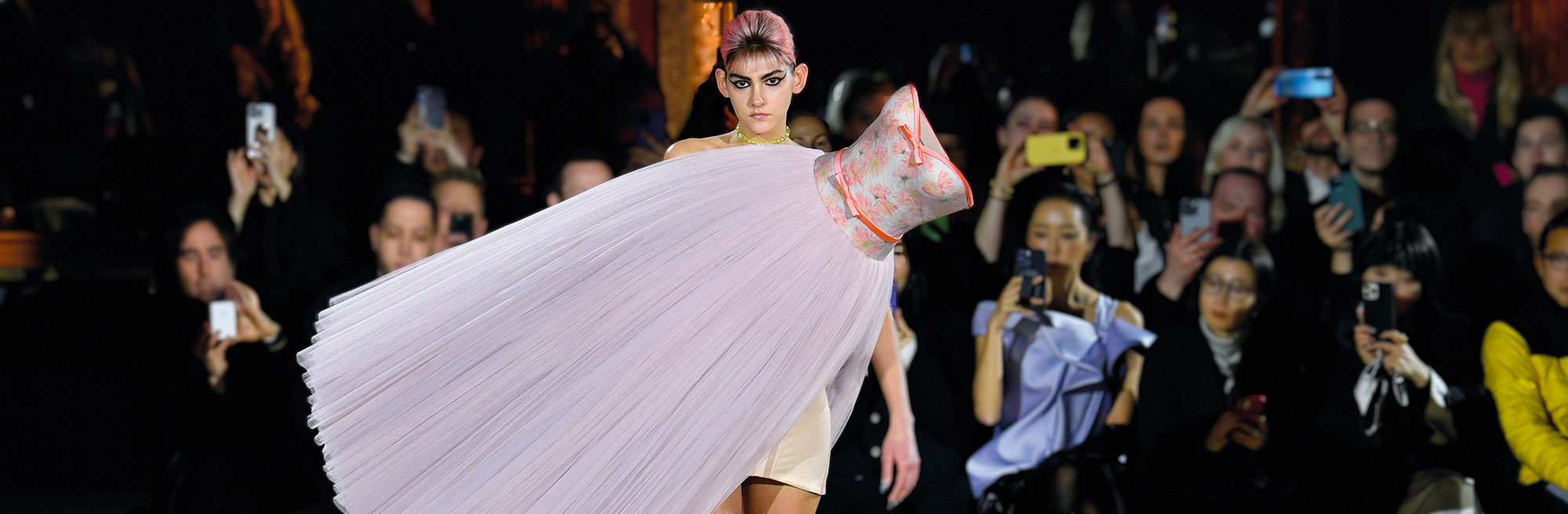
Fashion weeks across the globe highlight this diversity. The color trends at these events often reflect global issues, such as sustainability, by leaning towards earthy tones and greens. The Pantone Color Institute, known for its Color of the Year forecast, influences fashion palettes significantly, demonstrating the ripple effect one hue can have on an entire season’s fashion aesthetic.
Case Studies: Iconic Uses of Color
Iconic fashion moments are often recalled for daring or unconventional uses of color, and in 1997, Princess Diana showcased both sophistication and audacity in a vivid blue velvet dress crafted by Jacques Azagury. Similarly, the brand Valentino, famed for its emblematic “Valentino red,” introduced a shade that ultimately became inseparable from its luxurious identity.
Fashion brands frequently carry out in‑depth studies on color trends and consumer preferences, and a clear example appears in the collaboration between Pantone and Sephora, whose “Color of the Year” makeup collections reveal how color forecasting influences both product creation and customer engagement.
The Science and Strategy Behind Colors
Color theory is an essential tool for designers, who use the color wheel to create harmonious designs. Understanding complementary and contrasting colors allows designers to craft visually appealing garments. Moreover, technology plays a significant role in color application, with digital tools enabling precise color matching and consistency in mass production. This scientific approach ensures that the color effect intended by designers is preserved from sketch to final product.
As fashion keeps shifting, the deliberate application of color grows more refined, with brands relying on AI-powered analysis to anticipate emerging palettes and stay competitive, demonstrating how blending artistic intuition with scientific insight in color selection continues to reshape the industry.
It’s evident that color in fashion transcends mere aesthetics. It is an intricate interplay of cultural context, psychological impact, and scientific precision. This complex dynamic underscores color as an irreplaceable element of fashion design—forever fluctuating, yet fundamentally decisive.