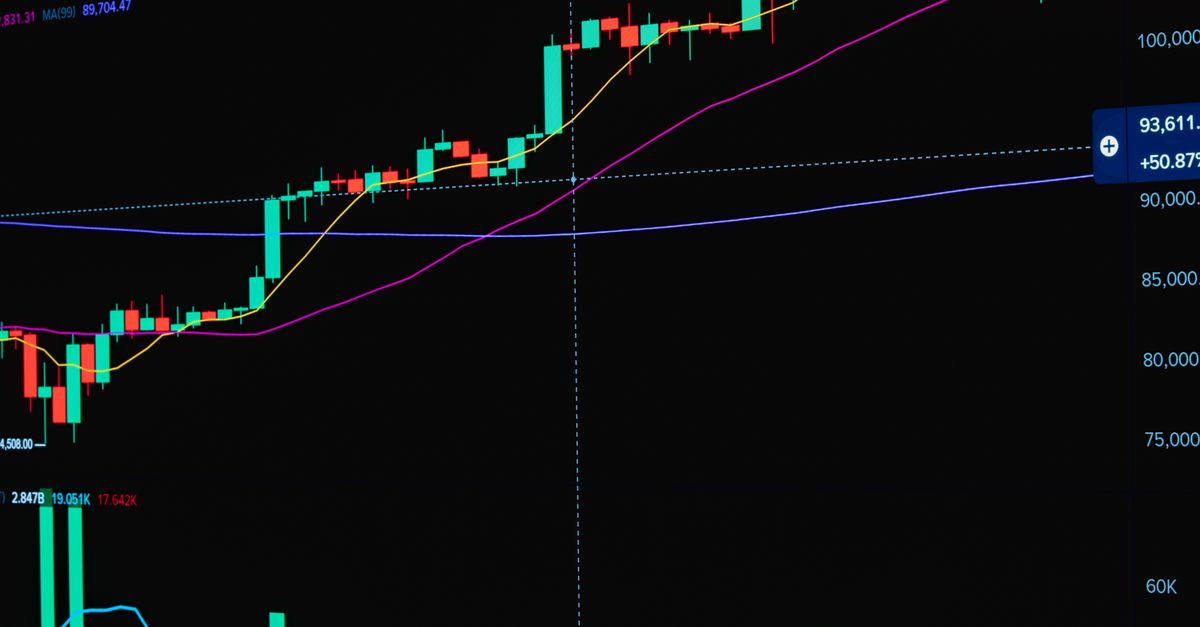
As discussions about potential economic policy in a second Trump presidency gain momentum, one issue resurfaces with renewed significance: tariffs. While some level of trade protectionism may appeal to certain voter bases and align with broader political goals, the financial markets tend to respond delicately to such measures. There appears to be a threshold — a “sweet spot” — for tariffs, beyond which investor confidence could falter and economic stability may be jeopardized.
Donald Trump has consistently championed tariffs as a tool to rebalance international trade and bolster American manufacturing. During his first term, his administration imposed levies on hundreds of billions of dollars’ worth of imports, targeting countries like China and sectors such as steel, aluminum, and technology components. While these actions were framed as efforts to reduce dependency on foreign supply chains and promote domestic industry, the consequences were mixed. Industries facing retaliatory tariffs, along with U.S. consumers and companies dependent on imported goods, experienced increased costs.
Now, as Trump outlines his vision for a potential return to the White House, there are growing concerns among economists and financial professionals about the scope and scale of any future tariff regime. Markets are particularly sensitive to abrupt or extreme shifts in trade policy, which can disrupt supply chains, increase inflationary pressure, and fuel geopolitical tension.
When imposed thoughtfully and with focused strategic objectives, tariffs may act as valuable tools in trade talks or assist in fostering vital industries. Nevertheless, if these are enforced too extensively or without a comprehensive grasp of worldwide economic linkages, the repercussions might surpass the intended countries. Elevated import duties can result in increased costs for American buyers, diminished competitiveness for national exporters encountering retaliatory actions, and decreased investor trust in economic stability.
Financial markets value stability and transparency. Any indication of a sweeping tariff policy, especially one lacking detailed implementation strategies or coordination with global partners, could trigger volatility. Investors tend to recalibrate portfolios based on perceived risks — and an overly aggressive trade posture may cause them to shift capital away from sectors seen as vulnerable to retaliatory actions or cost increases.
During Trump’s previous administration, markets experienced short-term disruptions in response to tariff announcements, particularly those involving China. Stocks frequently dipped on days when trade tensions escalated or new duties were introduced. While some sectors — such as steel manufacturing — temporarily benefited from protectionist measures, others, including agriculture and technology, suffered losses tied to higher input costs and diminished export access.
If Trump returns to office and implements a tariff strategy that deviates significantly from the “sweet spot” — that is, a policy calibrated to address trade imbalances without inciting economic retaliation or excessive inflation — market participants may interpret it as a sign of instability. Even the anticipation of unpredictable trade moves can lead to preemptive adjustments in market behavior, with investors hedging against potential downturns or relocating assets to less exposed regions.
What constitutes the optimal tariff policy is open to debate. Economists often argue that targeted, temporary measures linked to specific policy goals — such as supporting strategic industries or addressing unfair trade practices — are more sustainable than broad, permanent tariffs. Moreover, transparency in communication, coordination with allies, and a willingness to use tariffs as a negotiation tool rather than a long-term solution are key components in minimizing negative market reactions.
Trump’s economic advisers have occasionally hinted at large-scale tariff plans, including across-the-board levies on imports. Such proposals, while resonating with segments of the electorate that favor economic nationalism, could clash with the preferences of institutional investors and global business leaders. Broad-based tariffs would likely feed inflationary trends, particularly if imposed during a period of economic fragility or elevated consumer prices.
Additionally, a resurgence in aggressive tariff policy could strain relationships with allies and trade partners. In an increasingly interconnected global economy, unilateral actions tend to provoke countermeasures that impact export-driven U.S. industries. For example, past tariffs on Chinese goods were met with reciprocal taxes on American agricultural products, putting pressure on farmers and prompting the government to allocate billions in aid to offset the impact.
For markets to preserve confidence, any movement towards protectionism must be countered with explicit regulations, allowances for essential imports, and processes for evaluation. Additionally, coordinating tariff policies with larger industrial strategies — like backing local semiconductor manufacturing or achieving energy self-sufficiency — might mitigate adverse perceptions and illustrate a unified economic strategy.
In the end, achieving the goals of a potential Trump administration’s tariff policy would hinge on finding a balance between political aims and economic practicality. The room for error is small: tariffs that are too low might be deemed as lacking impact, whereas excessively high or broadly applied tariffs could incite inflation, provoke retaliation, and unsettle financial markets.
As the campaigning for the 2024 elections advances and the contenders sharpen their policy stances, companies, stakeholders, and international collaborators will be paying close attention to potential changes in trade policies. A tariff strategy that acknowledges the intricacies of global supply networks while protecting national interests could provide markets with a sense of assurance. Conversely, significant changes made without the necessary infrastructure or communication could lead to the economic uncertainty that financial markets often punish quickly.
In this period of economic uncertainty and geopolitical strain, finding the perfect tariff balance will go beyond a mere campaign slogan — it will challenge the ability to maintain equilibrium, anticipate changes, and adapt to a world that is becoming increasingly interconnected.