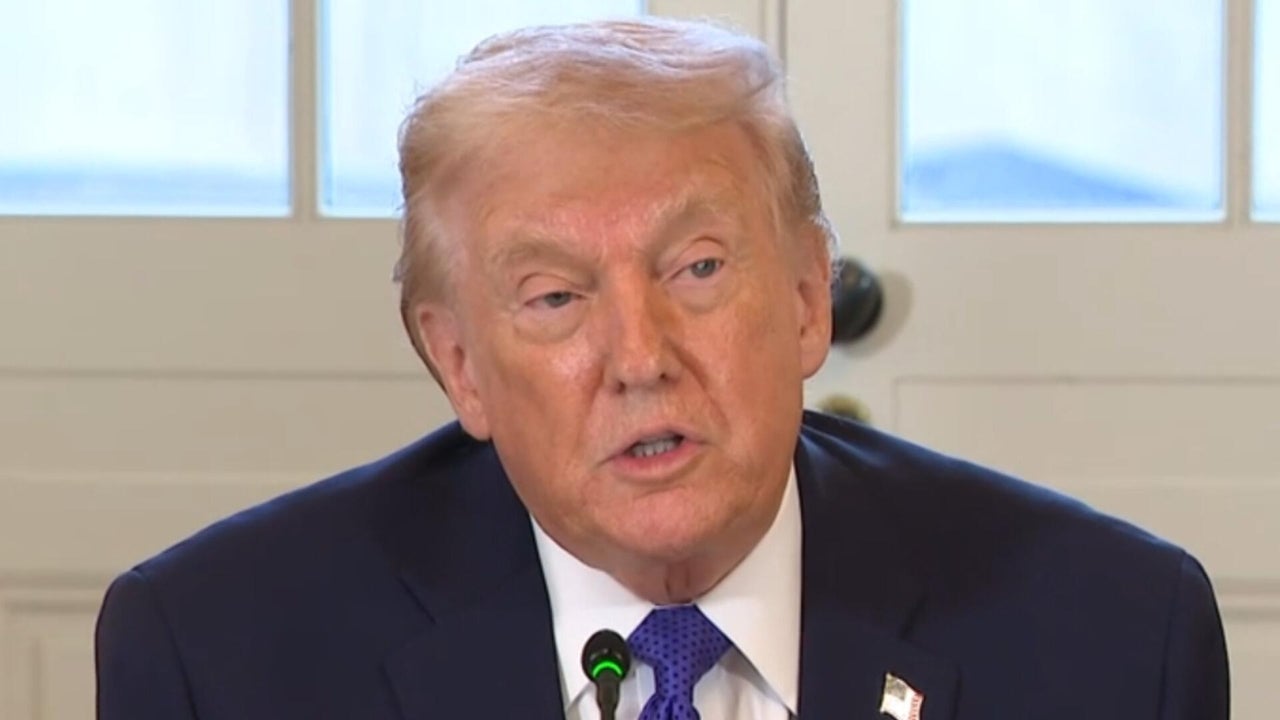
Ukraine’s appeal for a top-tier gathering arrives as diplomatic efforts intensify and global hopes for a revitalized peace approach steadily grow. This timing underscores both the immediate need and the evolving landscape of international discussions.
As Ukraine reiterates its request for direct discussions between President Volodymyr Zelensky and U.S. President Donald Trump, the geopolitical environment surrounding the conflict has entered a novel and intricate stage. This plea for a one-on-one meeting highlights Kyiv’s increasing eagerness to re-establish diplomatic avenues, secure military aid, and guarantee that its strategic objectives maintain prominence on the international scene. Concurrently, the White House has stressed that any substantial advancement towards resolving the conflict necessitates further rounds of synchronized peace negotiations—a strategy designed for extensive involvement and enduring resolutions, rather than swift, symbolic encounters.
Ukraine’s pursuit of renewed diplomatic engagement
Ukraine’s desire for a direct encounter stems from a wider strategy to bolster global backing and solidify its position as a key player in peace discussions. With the ongoing conflict depleting national assets and challenging public endurance, Kyiv understands the necessity of preserving robust ties with international allies—especially the United States, whose political endorsement, military assistance, and diplomatic leverage are still vital.
For Ukrainian leadership, the prospect of meeting with President Trump represents an opportunity to secure clearer commitments, address evolving defense needs, and raise concerns about the long-term sustainability of foreign assistance. Kyiv’s request also signals its intention to ensure that future peace frameworks do not bypass or diminish its core interests. As the conflict endures, statesmanship becomes as important as battlefield strategy, making high-level communication indispensable.
From Ukraine’s viewpoint, a face-to-face presidential encounter might facilitate the resolution of stagnant discussions, offer insight into Washington’s shifting policy trajectory, and underscore the principle that the route to peace must emphasize national sovereignty and territorial integrity. Kyiv’s leadership contends that the symbolic and diplomatic weight of such a gathering could rekindle global interest, particularly as geopolitical strains globally increasingly draw attention elsewhere.
The White House’s stance on peace negotiations and the order of diplomatic steps
While Ukraine views a Zelensky-Trump meeting as a potential catalyst for progress, the White House has stressed the importance of sequencing and structure. According to recent statements, U.S. officials maintain that additional rounds of multilateral talks are essential before any presidential meeting takes place. Their stance reflects a belief that broad-based engagement—including European allies, regional partners, and international organizations—remains the most promising route toward a durable resolution.
This cautious approach is rooted in concerns that bilateral symbolism without substantive groundwork could undermine larger diplomatic frameworks. The White House seeks to ensure that any meeting is not merely performative but strategically aligned with ongoing negotiations and consistent with United States policy objectives. By pushing for further dialogue among key stakeholders first, Washington aims to construct a more unified international stance before moving forward with high-profile presidential interactions.
The focus on continued diplomatic efforts also stems from an understanding that the conflict’s intricacies go beyond military engagements. Economic steadiness, energy assurance, humanitarian issues, and regional partnerships all play a role in formulating a cohesive framework for peace. The White House maintains that bypassing fundamental stages could diminish international influence and undermine the trustworthiness of subsequent accords.
Achieving equilibrium between immediate action and deliberate waiting
Despite shared goals between Kyiv and Washington, the path to any eventual meeting remains entangled in strategic considerations. Ukraine’s urgency is understandable: continued conflict brings mounting human costs, economic strain, and logistical challenges. For Ukrainian leadership, swift diplomatic engagement offers a potential avenue for unlocking stalled aid packages, reinforcing alliances, and signaling national resolve.
On the flip side, the White House emphasizes a structured and deliberate methodology. American officials contend that accelerating peace efforts risks undermining their long-term viability. This insistence on continued discussions stems from a forward-looking perspective—one that aims for enduring stability not only for Ukraine but for the broader geographical area.
This dynamic interplay between the need for swift action and the imperative for prudence largely characterizes the contemporary diplomatic landscape. Both countries are united by a singular aim: to guarantee that any proposed peace structure is sturdy, implementable, and aligns with democratic ideals. However, their methodologies diverge in terms of their timeline and overall demeanor. This intricate equilibrium will be the determining factor for the trajectory of subsequent dialogues and, eventually, the prospect of a meeting between Zelensky and Trump.
Global collaboration and the contribution of international allies
The demand for broader peace discussions preceding any presidential summit underscores the vital contribution of international collaborators. The European Union, nations within NATO, and significant allies globally have consistently stressed the value of collective endeavors. Harmonized diplomatic initiatives have formed the bedrock of worldwide backing for Ukraine, and sustaining solidarity is paramount as discussions progress.
The White House’s emphasis on wider involvement stems from a wish to prevent disjointed efforts that might diminish overall impact. A unified alliance possesses increased power in formulating truce agreements, security assurances, rebuilding plans, and enduring oversight frameworks. The United States acknowledges that attaining lasting peace necessitates not only military and political alignment but also economic and humanitarian foresight.
Ukraine’s diplomatic outreach acknowledges this reality, even as it pushes for direct engagement with Washington. Kyiv understands that multilateral support remains indispensable, but it also believes that its bilateral relationship with the U.S. can help guide the direction and tempo of broader talks. The interplay between these two diplomatic tracks—bilateral and multilateral—will be critical in determining how quickly negotiations can progress.
Challenges shaping the future of negotiations
Multiple challenges continue to influence the timing and structure of diplomatic efforts. First, the conflict’s unpredictability complicates planning. Shifts in territorial control, supply chain disruptions, and emerging regional tensions require negotiators to remain flexible and adaptive.
Second, global geopolitical dynamics—from energy market volatility to regional tensions elsewhere—divert focus and resources from the conflict. Sustaining international attention necessitates ongoing diplomatic efforts and strategic messaging from Kyiv and its partners.
Third, the internal political environments of different nations—the U.S. included—are crucial in determining policy choices. Leaders are tasked with balancing conflicting objectives, financial limitations, and public sentiment when contemplating future pledges and diplomatic endeavors.
Despite these obstacles, the drive for renewed discussions continues. Ukraine’s request for a meeting has ignited new conversations regarding the framework and speed of diplomatic efforts, while the White House’s appeal for more extensive talks highlights the significance of comprehensive decision-making. Both perspectives demonstrate a commitment to the ultimate objective of achieving an equitable and enduring peace.
What a Zelensky-Trump meeting could symbolize
Should a summit ultimately occur, its ramifications would stretch well beyond the mere symbolism of two heads of state convening. It would signify a revitalized period of collaboration, underscore Washington’s ongoing engagement in the security of Eastern Europe, and underscore Ukraine’s pivotal position in determining its own destiny. The dialogue might encompass crucial areas: military readiness, rebuilding strategies, humanitarian aid, and structures for subsequent discussions.
However, a gathering of this nature would only hold significance if underpinned by meticulous diplomatic preparation. Lacking defined goals and a preliminary agreement among partners, the conversations could easily devolve into mere superficiality. The White House’s emphasis on strategic sequencing is designed to guarantee that, when the moment arrives, the encounter yields concrete results instead of just political posturing.
For Ukraine, the symbolism of a presidential meeting would strengthen morale domestically and send a clear message to the international community that its struggle continues to receive top-level attention. Visibility and political support are critical assets in times of war, and high-profile diplomacy reinforces both.
The path ahead for diplomatic engagement
The upcoming period will be crucial in determining the direction of peace initiatives. While Ukraine persists in its call for direct talks and the United States emphasizes the necessity of broader dialogues, the global community anticipates indications of consensus. Reconciling immediate action with strategic forbearance will demand meticulous diplomacy, open discourse, and a collective dedication to enduring stability.
Ukraine’s appeal for a meeting between Zelensky and Trump signifies an effort to revitalize discussions, whereas the White House’s stance illustrates a wider perspective on organized, international diplomatic engagement. Both viewpoints contribute to the developing framework for achieving peace, providing insight into the intricate nature of contemporary governance amidst hostilities.
Ultimately, the success of any future meeting—and indeed of any peace initiative—will rely on preparation, cooperation, and the willingness of global actors to remain united. As the conflict continues to shape regional and international politics, diplomacy remains the most powerful tool for steering the course toward resolution.