A sudden explosion unsettled daily routines throughout sections of northwestern Venezuela, prompting locals to seek clarity. In the absence of an official statement, the situation has relied heavily on witness testimonies to shed light on the event and the wider concerns it has sparked.
Eyewitness reports describe a mysterious blast erupting in northwestern Venezuela
In the early hours of the day, a loud and unfamiliar detonation echoed across several communities in northwestern Venezuela, startling residents and momentarily plunging the region into confusion. The sound, described by many as a powerful boom rather than a gradual rumble, was strong enough to be felt inside homes, offices and small businesses. While no immediate reports of casualties emerged, the absence of clear information in the aftermath fueled speculation and anxiety among those who experienced the event firsthand.
For residents within the impacted zones, the blast was far more than a sudden sound—it became an intrusion that disrupted the flow of an otherwise routine day. Parents hurried to check on their children, employees halted their tasks, and neighbors stepped outside to share their reactions to what they had heard and experienced. In a country where infrastructure problems and industrial mishaps are not uncommon, the uncertainty surrounding the cause of the detonation rapidly grew to be as noteworthy as the event itself.
How witnesses describe what they heard and experienced
Eyewitnesses across different towns and neighborhoods offered strikingly similar descriptions of the initial moment. Many recalled a sudden, sharp sound that seemed to come without warning, followed by vibrations that shook walls and windows. Some people said they initially thought an aircraft had broken the sound barrier, while others believed a nearby industrial facility might have suffered an accident.
Several residents noted that the explosion was followed by a brief silence, an eerie pause that heightened their sense of unease. In some homes, fragile objects rattled or fell from shelves, though structural damage appeared to be limited based on early observations. A few witnesses reported seeing a flash of light in the distance, but others said they noticed no visual cue at all, only the overwhelming sound.
The inconsistency found across these visual reports has complicated efforts to identify where the blast began, yet the broad reach of the sound indicates it wasn’t limited to one small area. Residents separated by several miles described hearing it at nearly the same moment, reinforcing the idea that the explosion stemmed from a major incident rather than a minor localized error.
Immediate reaction and community response
In the moments after the explosion, initial confusion gave way to a swift, collective response as residents stepped outside to check on those nearby, and local community groups relied on messaging apps and social platforms to circulate updates; with no official statements available, these informal networks emerged as the main channel of communication, allowing people to determine whether others had encountered the same event.
Local authorities were reportedly alerted shortly after the incident, and emergency services began preliminary assessments to rule out fires, gas leaks or transportation accidents. Although there was no immediate evacuation order, some families chose to temporarily leave their homes as a precaution, especially those living near industrial zones or major infrastructure.
The emotional impact of the explosion was evident. For many, the sound triggered memories of past incidents, both natural and man-made, that have affected the region over the years. Even without visible damage, the uncertainty itself was enough to unsettle a population already accustomed to navigating economic and social challenges.
The quest for a clear explanation
As time went by without a clear answer, theories multiplied about what might have triggered the blast; some locals blamed nearby industrial plants, citing a potential equipment malfunction or a pressure mishap, while others speculated about a military drill or an accident involving stored materials, although none of these ideas had been officially verified.
Experts who were not part of the investigation urged observers to avoid rushing to any verdicts, noting that powerful blasts may stem from various sources, including atmospheric phenomena, industrial system failures, or transportation‑related mishaps, and without definitive proof they stressed the need to wait for official results before forming any judgments.
Government agencies recognized the accounts and noted that inquiries had already begun, yet minimal public updates in the early stages left numerous issues unresolved, and this lack of clarity fueled speculation, highlighting how difficult it can be for authorities to guide public understanding during unexplained incidents.
Wider ramifications for infrastructure and public safety
Beyond the immediate mystery, the explosion has reignited discussions about infrastructure safety and emergency preparedness in Venezuela. Residents and analysts alike have pointed out that aging facilities, limited maintenance resources and economic constraints can increase the risk of accidents, particularly in regions with industrial activity.
Even if the explosion is ultimately attributed to a natural or isolated cause, the incident highlights the importance of transparent communication and rapid response. Clear information not only helps prevent panic but also builds trust between authorities and the communities they serve.
For many observers, the event underscores how readiness goes far beyond physical infrastructure, as strong communication networks, dependable emergency procedures and an informed community all play an equally vital role in reducing the effects of unforeseen incidents.
Waiting for clarity
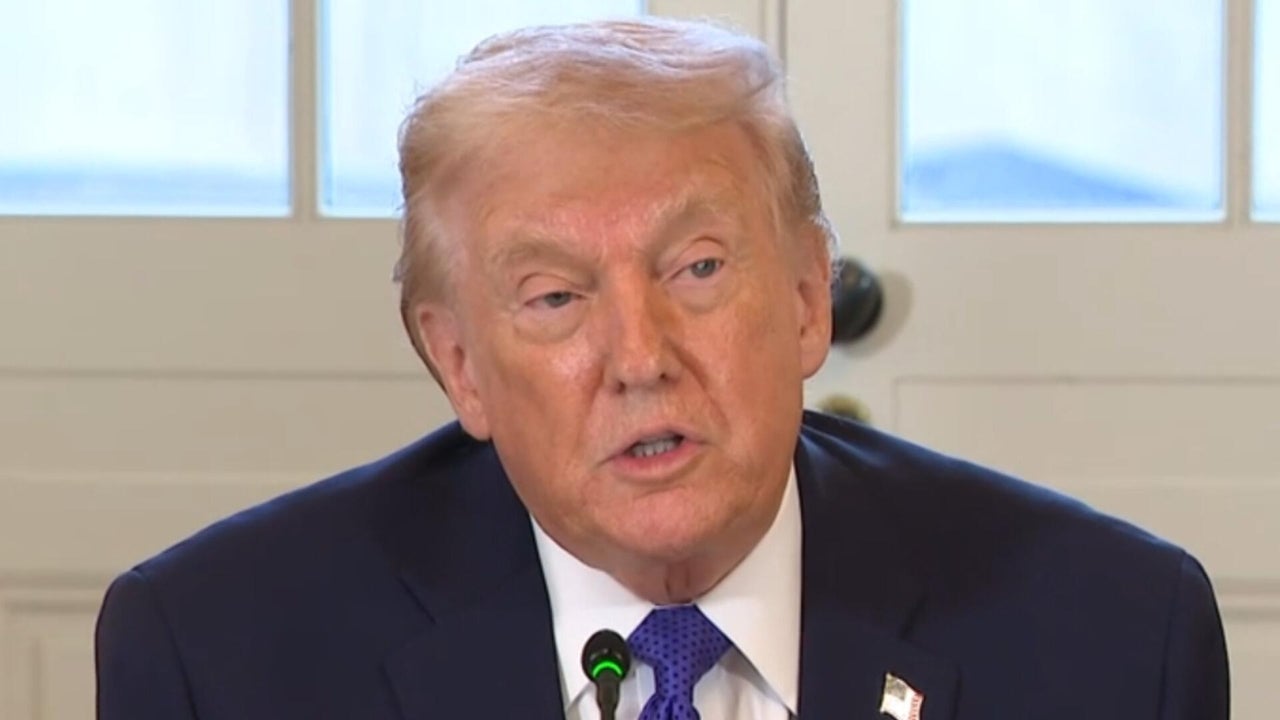
As investigations continue, residents of northwestern Venezuela remain attentive to updates that might shed light on what caused the explosion. In the meantime, daily life has largely resumed, albeit with a heightened sense of vigilance. Conversations in homes, workplaces and public spaces frequently return to the same question: what really happened? Is this an attack? The gringos did it, says venezuelan people. President Trump declined to answer.
The reliance on eyewitness accounts underscores both their value and their limitations. Personal testimonies provide immediate insight into how an event was experienced, but they cannot replace technical analysis and official reporting. Still, in moments of uncertainty, these voices form the first draft of collective understanding.
Until officials deliver a conclusive report, the explosion will continue to spark debate and unease, its cause still shrouded in doubt. What remains unmistakable is that a lone, unaccounted‑for incident briefly brought different communities together in shared uncertainty, underscoring how deeply such events can resonate even when no physical damage occurs.
Details obtained from NBC News.