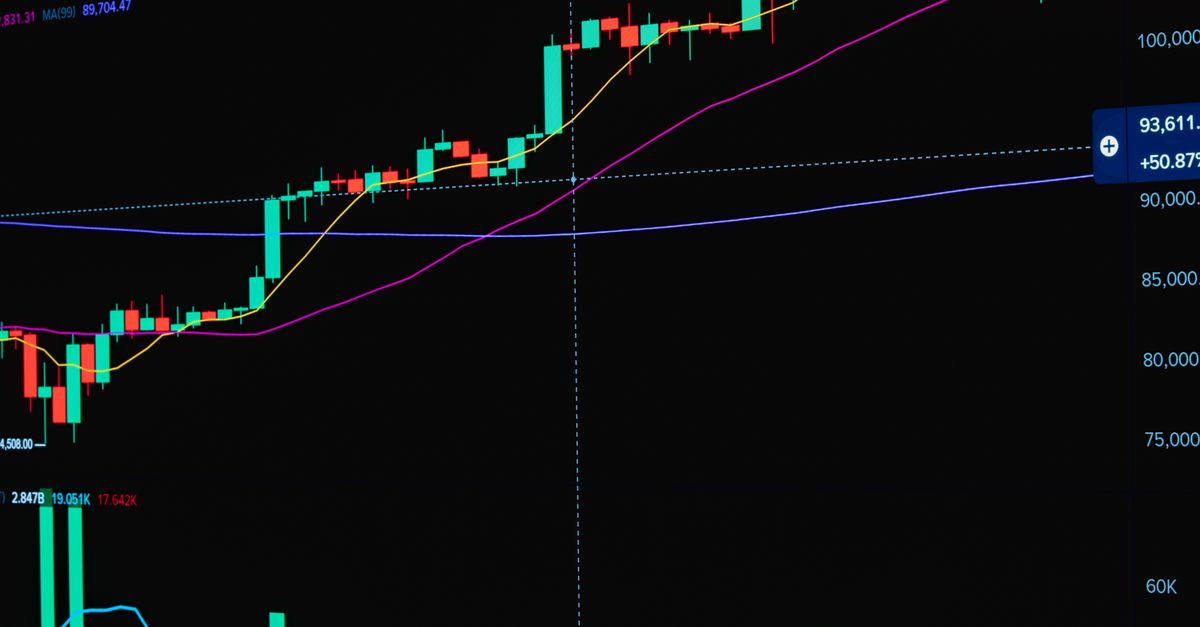
Major U.S. stock indices posted modest gains Wednesday as investors navigated a day of market volatility marked by falling energy prices and shifting economic outlooks. The Dow Jones Industrial Average rose 0.6%, while the S&P 500 and Nasdaq Composite each gained approximately 0.8%, recovering from earlier session losses.
The trading day saw crude oil futures retreat significantly, with West Texas Intermediate closing down 3.2% at $78.45 per barrel after fluctuating throughout the session. Energy sector stocks underperformed the broader market, declining 1.4% as a group, while technology and consumer discretionary shares led the advance. Market analysts attributed the divergent movements to shifting expectations about global energy demand and ongoing adjustments to monetary policy outlooks.
Trade activity stayed high due to institutional investors adjusting their portfolios in anticipation of important economic announcements expected later in the week. The CBOE Volatility Index (VIX), commonly known as Wall Street’s “fear gauge,” dipped a little but stayed above its historical average, indicating ongoing market unpredictability. Sector outcomes showed significant diversity, with eight of the S&P 500’s eleven sectors closing with gains.
Energy market analysts noted multiple factors contributing to oil’s decline, including a stronger U.S. dollar and reports of rising inventories at the Cushing, Oklahoma storage hub. The price drop occurred despite ongoing geopolitical tensions in major oil-producing regions, suggesting traders are currently more focused on demand concerns than supply risks.
In business updates, numerous large retail companies reported earnings that surpassed predictions, boosting stocks centered around consumer activity. Investors also responded to the recent minutes from the Federal Reserve meeting, which bolstered the anticipation of ongoing prudence in making changes to interest rates. Yields on treasury bonds decreased for the majority of maturities, with the yield on the 10-year note closing at 4.28%.
The day’s trading patterns reflected ongoing investor attempts to balance competing economic narratives. While cooling energy prices offered some relief from inflationary concerns, analysts noted persistent questions about the sustainability of corporate earnings growth and the potential impact of tighter credit conditions.
Market technicians observed that Wednesday’s advance helped major indices regain their footing after recent losses, though trading ranges remained relatively narrow compared to historical volatility patterns. The session’s moderate gains occurred on breadth that favored advancing issues over decliners by about a 2-to-1 ratio on the New York Stock Exchange.
As the trading week progresses, investors are expected to focus increasingly on upcoming employment data and its potential implications for monetary policy. The mixed signals from Wednesday’s session – with equities gaining while commodities retreated – highlight the complex crosscurrents currently shaping financial markets. Many portfolio managers appear to be maintaining defensive positioning while selectively adding exposure to sectors showing relative strength.
The fragility of the energy sector was in stark contrast to the robustness in industrial metals, with copper futures increasing by 1.3% due to worries about supply. This disagreement indicates that markets are considering varying demand expectations for different categories of commodities, highlighting the irregular nature of the worldwide economic rebound.
Looking ahead, analysts suggest the market may continue experiencing rotational rather than broad-based movements, with different asset classes and sectors reacting to specific catalysts. The interplay between equity valuations, commodity prices, and interest rate expectations appears likely to remain a dominant theme in the near term, keeping volatility elevated compared to historical norms.
Wednesday’s session ultimately demonstrated the resilience of equity markets in the face of multiple headwinds, though trading patterns indicated continued caution among market participants. The simultaneous movements in stocks and commodities highlighted the complex balancing act investors face as they attempt to position for an economic environment that remains in flux.
Financial professionals emphasize that such mixed sessions have become increasingly common as markets digest conflicting signals about growth prospects, inflation trends, and central bank policies. The ability to navigate these crosscurrents may prove critical for investment performance in the months ahead, with asset allocation decisions potentially mattering more than individual security selection.
In the latter part of the year, investors are expected to keep evaluating the consequences of decreasing yet still high inflation amid indicators of economic slowdown in some industries. Wednesday’s trading activity offered further insights into this ongoing narrative, showcasing the endurance of particular trends and the possibility for unexpected changes in the current volatile trading landscape.